Barbican Nights and the Quiet Maximum Man: Why York Still Belongs to Maguire
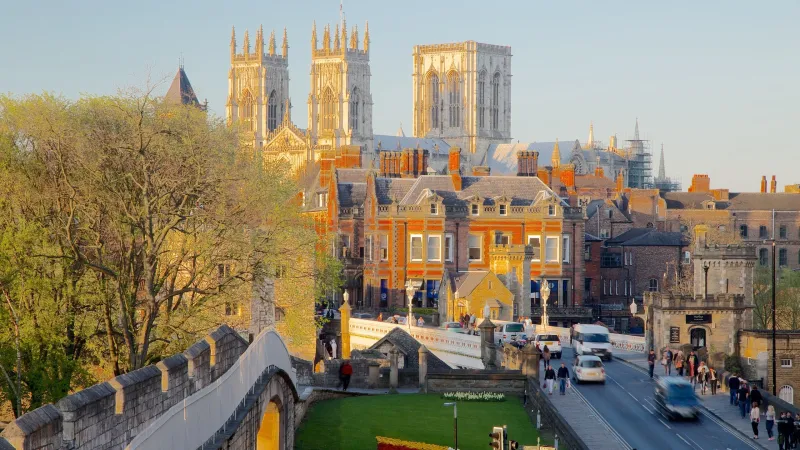
Photo: York Barbican exterior UK snooker championship, via wallpaperaccess.com
York in November still means snooker
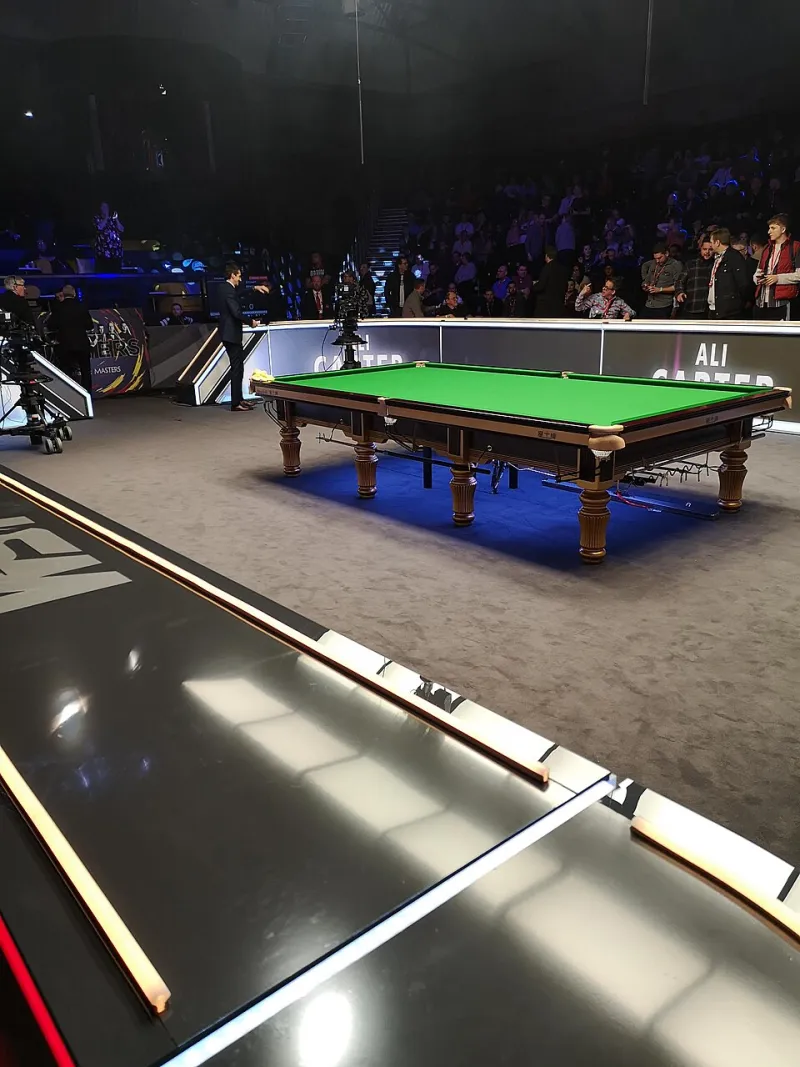
There is a certain kind of snooker fan who hears the words York Barbican and immediately thinks of long afternoons, tight waistcoats and the sound of a crowd trying not to breathe too loudly. The UK Championship has always had a particular atmosphere in York. It is not the Crucible’s theatre of the absurd, and it is not the quick-fire noise of a modern arena. It is a proper snooker venue for proper snooker people.
As the 2026 UK Championship build-up begins, that matters. The tournament has changed over the years, but the York era still carries a weight. It rewards patience. It rewards experience. It rewards players who can settle into a long match and let the table come to them. Which is exactly why Stephen Maguire feels like a natural fit.
A tournament that rewards the marathon men
The UK Championship is not a sprint. Best-of-elevens become best-of-19s, and the longer format starts to separate the players who can score from the players who can live with themselves over two sessions. York rewards the grinder as much as the entertainer. It rewards the player who can win a scrappy frame and then make a century in the next. It rewards the sort of snooker brain that does not panic when the table gets messy.
That is Maguire’s territory. He has always been a player who can make the game look simple when the rhythm is there, but he is also capable of the darker arts: the safety exchange, the hard-fought frame, the long spell without a big break. In York, those qualities matter. The Barbican crowd appreciates a battle. It appreciates a player who is willing to sit in the chair and wait.
There is also the city itself. York is a great walking city, and the UK Championship has always felt like an event that belongs in a place where people can wander between sessions, find a pub, and talk about the morning’s snooker. It is not a venue that demands noise. It demands attention. That suits Maguire’s quiet maximum-man image rather well.
Maguire’s Barbican pedigree
The obvious place to start is 2004. Maguire won the UK Championship that year, beating David Gray in the final at the Barbican. It remains one of the high points of his career and a reminder that he has already done the hardest thing: he has won this tournament, in this city, under this kind of spotlight. That matters when the draw gets tight and the talk turns to pedigree.
But pedigree is not just about the trophy. It is about the way a player fits a venue. Maguire has always looked comfortable in York. He likes a long match. He likes a crowd that knows the game. He likes the sense that the tournament is building towards something rather than rushing towards it. The UK Championship gives him that. It gives him time.
And time is the thing a maximum-break player needs. A 147 is not just a burst of scoring; it is a sequence that requires a player to stay in the moment for longer than feels natural. In a short-format event, the maximum can feel like a luxury. In York, it feels like part of the architecture.
The quiet maximum man
There is a version of Stephen Maguire that exists in the minds of snooker fans: the heavy scorer, the player who can reel off breaks, the one who makes you lean forward when the reds start to spread. But there is another version too — the quiet competitor, the one who does not need the spotlight, the one who would rather let the cue do the talking. That is the Maguire who feels most at home in York.
The Barbican is not a venue that demands a showman. It demands a snooker player. Maguire has always been that. He can play the big shots, but he can also play the sensible ones. He can make a maximum, and he can also win a frame in 20 minutes of safety. That range is what makes him dangerous in a long-format event.
The maximum question is always there, of course. Every time Maguire gets among the balls, the crowd starts to wonder. Could this be the one? Could the Barbican be the place where the quiet maximum man gives York a 147 to remember? It is the kind of story the UK Championship loves. It is the kind of story Maguire fans have been waiting for.
What a deep run would mean
A deep run at the 2026 UK Championship would do more than boost a ranking. It would change the temperature of the tournament. Maguire is one of those players who can create a bit of noise without trying. If he gets to the latter stages in York, the Barbican will feel it. The crowd will start to believe. The draw will start to look different. The old questions will come back, but in a good way.
There is also the matter of the maximum. A 147 in York would be one of those moments that lives beyond the tournament. It would be replayed, discussed and remembered. It would give the UK Championship a piece of theatre that only snooker can provide. And for Maguire, it would be a fitting addition to a career that has always been about heavy scoring and fine margins.
A fan’s-eye view
From the stands, the UK Championship in York is a lovely slow burn. You arrive in the morning, find a coffee, settle into your seat, and let the session take you. You watch the players walk around the table. You listen to the applause. You feel the quiet. By the evening, you have lived through a dozen little dramas. That is the Barbican experience.
Maguire fits that experience. He is not a player who needs to fill the room. He is a player who can let the room fill itself. In York, that is a virtue. The UK Championship is a marathon, not a sprint, and Maguire is a marathon man. If the draws fall kindly and the cue stays true, he could be one of the stories of the 2026 tournament.
And if the maximum comes? The Barbican will know. The quiet maximum man will have his moment.