The Quiet After the Roar: Snooker’s 147 Hangover and Maguire’s Next Frame
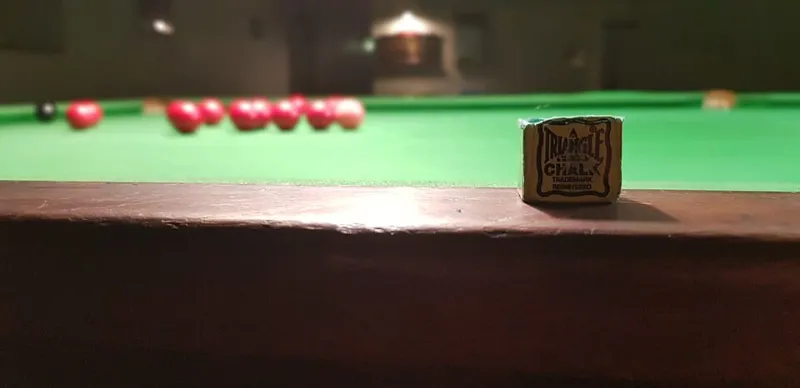
Photo: Snooker Spot, CC BY 2.0, via Wikimedia Commons
The final black drops, the referee calls the score, and the arena does what arenas do after a maximum: it erupts. Phones come out, pockets are patted, the big screen confirms the obvious. For the player at the table, though, the 147 is already moving from present tense to past tense. The applause is still rolling when the real question arrives. What happens next?
That question matters more than it sometimes gets credit for. A maximum break is not just a gorgeous detour in a snooker match. It is a spike in adrenaline, concentration and emotional noise. The next frame begins in the wake of all that, and the player who made the 147 has to find a way to be ordinary again. For someone like Stephen Maguire, whose game has long been built on heavy scoring and momentum, the aftermath is a genuinely fascinating part of the story.
The emotional half-life of a maximum
A 147 takes a strange kind of focus. Every shot is loaded, every positional choice carries the weight of the perfect break. By the time the last red and colour sequence arrives, the player is not simply playing snooker; they are managing a live piece of history. The release when the final black goes down is enormous.
That release does not disappear when the balls are re-racked. It lingers. Some players come out of it sharper, as if the maximum has blown the cobwebs away. Others look flat, distracted or oddly hurried. The mind wants to replay the shots, the crowd wants to keep the moment alive, and the opponent is usually desperate to make the whole thing feel like a footnote.
There is no universal rule here. A 147 can be a springboard or a sticky patch. The common thread is that it changes the temperature of the match. The next frame is rarely just another frame.
Maguire’s rhythm and the danger of chasing the feeling
Maguire’s best snooker has always had a rhythm to it. He is not a player who needs the table to be perfectly laid out before he can score. When he is flowing, the break-building can look almost matter-of-fact: heavy cueing, confident selection, a willingness to take on the shot that keeps the scoreboard moving.
That makes the post-147 frame particularly delicate. The temptation is to chase the same feeling, to try to keep the arena at boiling point. But maximums are not repeatable on demand. Trying to manufacture another one is a quick route to forcing the issue, over-cutting a red or taking on a positional gamble that a calmer player would decline.
The better reset is usually duller. Slow the walk. Use the chalk. Treat the next frame as a separate match. Maguire has enough experience to know that the crowd’s excitement is not the same as his own rhythm, and that the scoreboard does not care about the highlight reel.
What the great maximums leave behind
The history of the 147 is full of aftershocks. Cliff Thorburn’s 1983 Crucible maximum was a slow-burn piece of history, the kind of moment that seemed to change the room around it. Ronnie O’Sullivan’s 1997 maximum was almost surreal in its speed, a blur that left everyone else trying to catch up. Modern maximums at venues like the Barbican in York can feel like a shared celebration, with the applause carrying a long tail into the next frame.
The lesson is not that every 147 is followed by a collapse. It is that the next few frames often have a strange, shifted quality. Snooker is a game of small emotional fluctuations at the best of times, and a maximum turns the dial up. The player who made it may be vulnerable to a let-down. The opponent may be angry, inspired, or simply relieved that the worst is over. All of that feeds into the tactical picture.
In football terms, it is a bit like scoring a worldie and then having to defend a corner. The goal is on the screen. The game is not finished.
The tactical reset
After the applause, the practical work begins. The break-off, the safety exchange, the first long pot that either settles the nerves or makes them jangle. A player coming off a 147 needs to re-enter the match without trying to live up to the moment.
For Maguire, that means resisting the urge to make the next frame a statement. His natural attacking instinct is an asset, but the post-maximum frame often rewards patience. A scrappy 60-40 win can be worth more than another century attempt that breaks down at 40. With the 2026 UK Championship on the horizon, those small tactical choices matter. York rewards players who can mix the spectacular with the sensible.
The opponent, meanwhile, has a job of their own. Some players try to slow the game down after a maximum, to let the emotional temperature drop. Others go on the attack immediately, hoping to catch a distracted player cold. The player who made the 147 has to read that quickly and respond without ego.
What Maguire does next
The most useful thing Maguire can do after a maximum is make the next frame boring. Not in a negative sense, but in a professional one. Safety first. Good length. Take the chances when they come. Let the 147 become a bonus rather than a burden.
That is easier said than done when the arena is still buzzing, but it is the difference between a maximum that fuels a run and one that becomes a curious footnote in a lost match. Maguire’s heavy-scoring history suggests he will always be drawn back to the aggressive option. The smarter version of that instinct is knowing when not to force it.
The applause will fade. The next break starts at zero. For a player with Maguire’s maximum-break pedigree, the real skill is making sure the frame after forever still feels like it belongs to him.