Chalk, Patience and the Repeatable Frame: Inside the Mechanics of Maguire’s Heavy Scoring
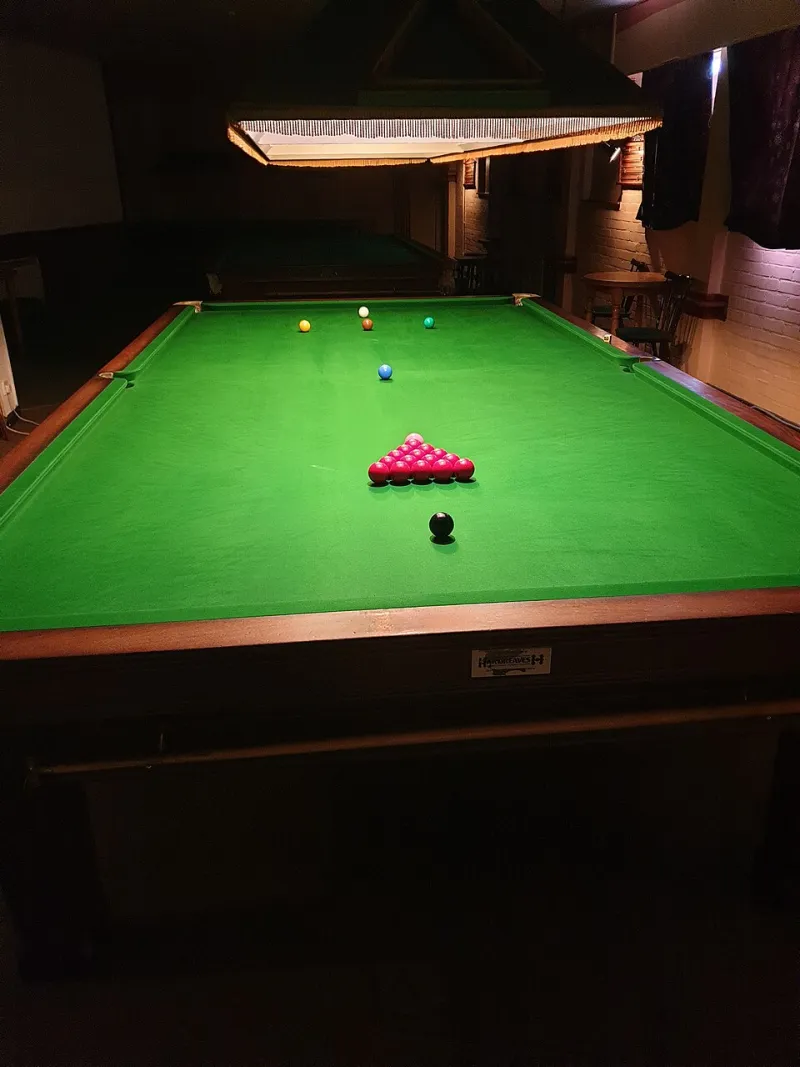
Stephen Maguire’s maximum breaks can look like they happen in a single exhale. The reds vanish, the black keeps coming back to its spot, and the cue ball finishes each shot as if it has been placed by hand. It is tempting to call it instinct. It is more useful to call it mechanics.
The effortless look is built on habits so repeatable they almost disappear. For club players in the UK, that is the encouraging part. You are not going to copy Maguire’s nerve or his shot-making overnight, but you can copy the boring bits. And the boring bits are what make the flashy bits possible.
The stance: a quiet platform
Watch the opening red of a typical Maguire maximum and the first thing that stands out is how little happens before the cue goes back. The feet are set, the weight is balanced, the head is still. There is no last-second shuffle. The stance is not wide for the sake of looking powerful; it is wide enough to give the cue a clear channel and the body somewhere to go.
That matters because a maximum break is a long chain of small movements. If the base moves, everything above it has to compensate. Maguire’s base stays quiet, which is why his cue action looks compact even when he is hitting the ball hard. The lesson for club players is simple: set your feet before you bend into the shot. Do not use the stance as part of the aiming process. Aim first, then build the platform.
Grip: the loose hold that keeps the cue moving
A maximum break is not a test of how tightly you can squeeze the cue. It is a test of whether the cue can keep moving through the ball. Maguire’s grip looks light, almost careless, but that looseness is deliberate. The fingers close just enough to control the cue; they do not strangle it.
You see it in the black-to-pink transitions that hold a maximum together. The cue has to travel through the cue ball with the same smooth acceleration, whether the shot is a gentle screw or a firm stun. If the grip tightens, the cue decelerates. If the grip stays loose, the cue keeps its length. Club players often tighten up when they see a big break developing. Maguire does the opposite. He keeps the hand quiet and lets the weight of the cue do the work.
Tempo: the same song every visit
Maguire’s scoring rhythm is one of the most recognisable things about him. There is a pause at the back, a smooth forward delivery, and then a short settle before the next shot. It is not slow for the sake of it. It is the same tempo repeated, which is what makes the long break feel calm.
In a maximum, tempo is everything. Rush the first red and the whole break feels frantic. Rush the black and the cue ball runs out of position. Maguire’s best maximum passages have a metronome quality: back, pause, through. He does not speed up because the break is getting big. If anything, he slows down. That is a lesson worth stealing. Count your own tempo in practice. If it changes when you get to 40, you have found the thing to work on.
Bridge hand: the tripod that never wobbles
A maximum break exposes the bridge hand because the cue ball is constantly moving into awkward places. Maguire’s bridge is firm without being rigid. The hand is planted, the fingers make a stable arch, and the cue runs through the same channel shot after shot. It is not a showy bridge, but it is reliable.
Take the screw-back shots off the blue that appear in so many heavy breaks. The bridge has to hold its height while the cue goes through the ball. If the hand collapses, the cue ball comes up short. If the hand is too tight, the cue drags. Maguire’s bridge looks like a tripod: three points of contact, no unnecessary tension. For club players, that means practising the bridge as a position, not just a resting place for the cue.
Cue-ball control: planning the next two shots
The final habit is the one that ties the others together. Maguire does not just pot the ball in front of him; he sends the cue ball to a place that makes the next two shots easier. His maximums are full of small positional choices that look obvious only after the fact.
That is not luck. It is a habit of looking beyond the shot. On a red-to-black sequence, he is already thinking about the next red. On the final red to black, he is thinking about the colour after that. Club players often chase the pot and hope for the best. Maguire chases the pot and leaves a margin. That margin is why his centuries look effortless: the cue ball is rarely doing anything dramatic because he has already removed the drama.
What club players should steal
You do not need to chase a 147 to benefit from Maguire’s mechanics. Practise the quiet stance, the loose grip, the repeated tempo, the firm bridge and the two-shot plan. Put them together in a line-up routine and you will notice something odd: the big breaks start to feel less like accidents.
Maguire’s maximums are thrilling because of the flair, but they are built on habits. That is the real lesson from the Maximum Mechanic. The flash is the finish. The mechanics are the frame.