The Fit Before the Finish: Tablecraft and the Maguire Maximum
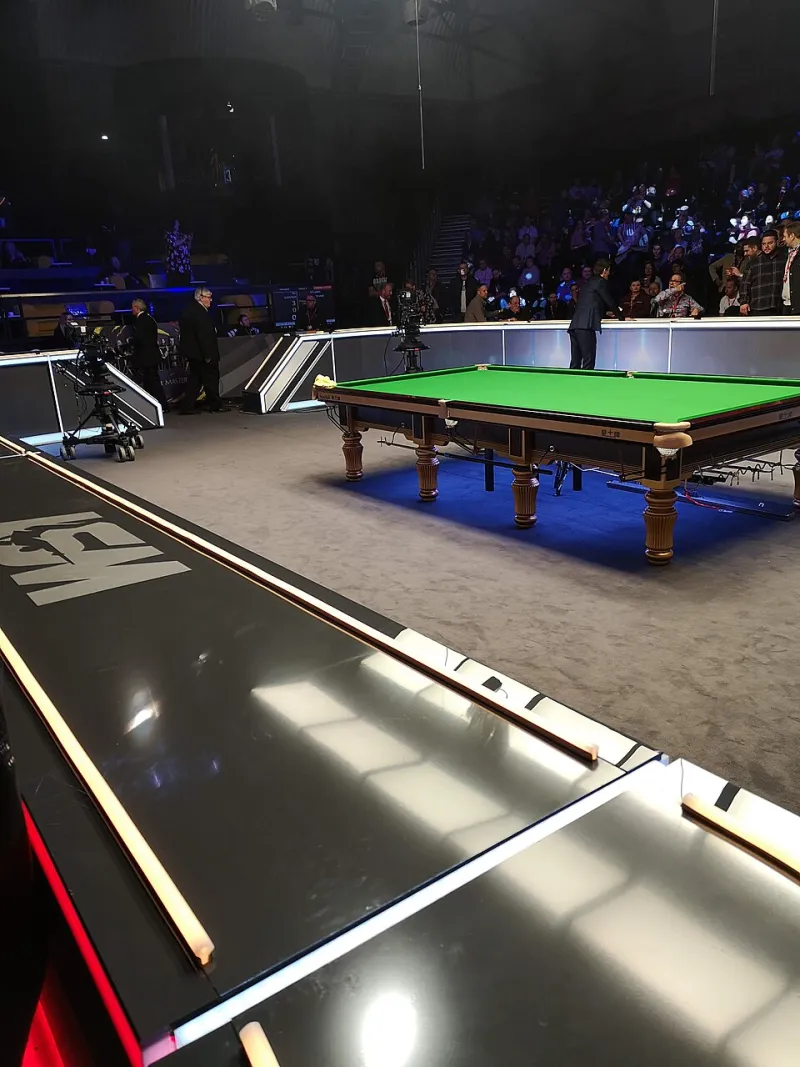
Photo: Krangsbody, CC BY-SA 4.0, via Wikimedia Commons
Watch a maximum break closely and the eye follows the cue ball. It tracks the screw, the stun, the little check off a cushion, the final black sliding into the pocket. What the eye rarely follows is the table itself. Yet every Maguire maximum, every chase that gets the arena hush going, is built on a piece of furniture that has been argued over, measured, stretched, heated and re-checked long before the first ball is struck.
That is not romanticism. It is craft. A 147 needs repetition, and repetition needs trust. The player has to believe the cloth will take the spin he puts on it, the cushions will answer the same way on frame one and frame seven, and the table will not start playing a different game when the hall fills up and the winter air changes.
The cloth sets the tempo
Cloth is the first thing players feel and the last thing most spectators think about. A fast, well-tuned arena cloth lets the cue ball travel with less effort. That suits heavy scorers because it shortens the distance between thought and position. But speed is only half of it. The nap, the direction of the stretch and the way the cloth beds down over the slate all affect how the ball holds its line.
For a player like Maguire, whose scoring runs depend on crisp cue-ball control rather than endless safety exchanges, a predictable cloth is worth more than a merely quick one. He wants to know that a deep screw will bite, that a stun will sit, and that the cue ball will not float on him when he is trying to nudge into the pack. Club tables often feel sticky by comparison, and that is not always a bad thing. It teaches players to cue through the ball. But when the target is a maximum, the margin between a good positional shot and a lost chance is small enough that inconsistency becomes the enemy.
Table fitters talk about bedding in the cloth, ironing out the ruckles and getting the stretch right. Referees talk about the same thing in a different language: does the table play true? Both are asking whether the surface will behave like a surface and not like a suggestion.
Cushions are the second cue
A maximum is not all straight lines. The cue ball has to use cushions on the way up and down the table, sometimes gently, sometimes with purpose. That makes cushion response part of the break-building equipment. Old rubber, tired rails or a cushion that sits slightly high or low can turn a routine positional route into a guess.
Maguire’s game has always had a bit of bite in it, and bite needs feedback. When he screws into the pack or comes off two cushions to hold for the next red, he is reading the table as much as he is reading the balls. A dead cushion kills that conversation. A lively one keeps it going.
Fitters will check rails with test balls, but the real examination comes from players who spend hours on the same table. They notice the cushion that throws slightly long. They notice the rail that grabs. Referees notice it too, because a table that rebounds unpredictably creates awkward re-racks and low-level doubt. In a maximum attempt, low-level doubt is enough.
Humidity does not care about your break
UK snooker has a long, intimate relationship with damp weather. A hall can feel fine at noon and heavy by evening. Cloth absorbs moisture. Cushions stiffen or soften. The cue ball starts to drag. Table heaters help, but they are not a magic switch. Arena climate control, door traffic, crowd warmth and the sheer number of bodies in the room all play their part.
This is why the best arena tables are not just well-built. They are monitored. A referee who knows the room, a fitter who knows the cloth and a tournament team who know when to adjust the heating are all part of the same chain. Maguire cannot control the weather, but he can feel when a table has gone off. The great maximum chasers are sensitive to that shift. They might not describe it in technical terms, but they know when the cue ball is running differently.
Why the arena table feels different
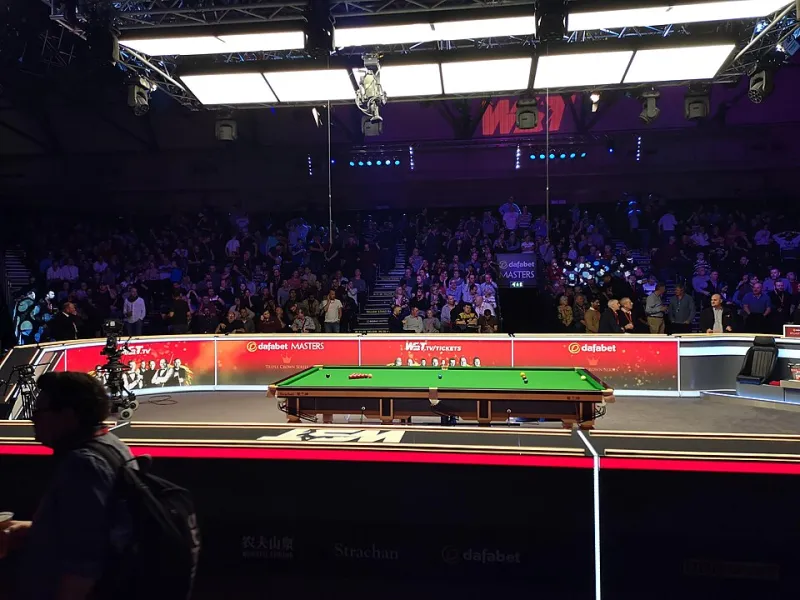
Walk into a snooker club and you might find one table that is loved, one that is ignored and one that is due a re-cover. Walk into a major arena and the table is a project. Slate, underframe, heating, cloth, cushions, pockets and level are checked and re-checked. The pockets might not be tighter in any dramatic sense, but the table is more of a single instrument.
That matters to a player like Maguire because maximum breaks are not won by flash alone. They are won by reducing the number of surprises. He wants a table that takes spin cleanly, returns the cue ball at a consistent angle and lets him trust the shot he has chosen. The best arena tables do not make the break easy. They make the break honest.
What club owners can learn
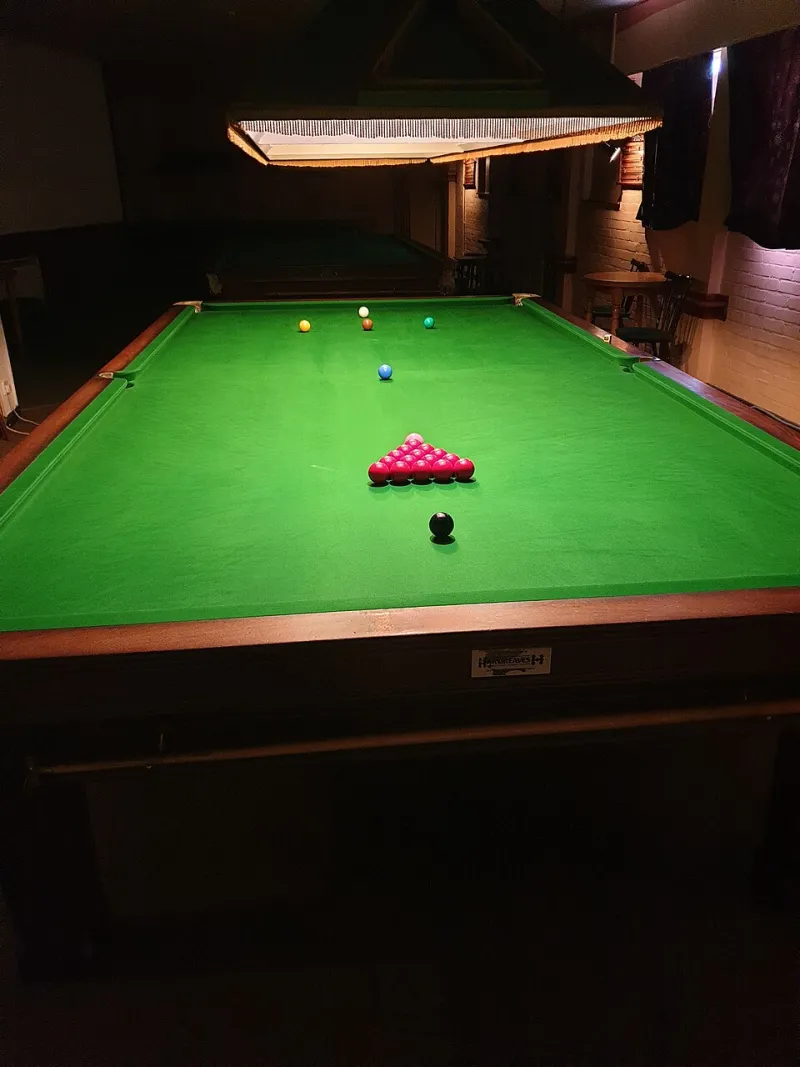
The good news for club snooker is that the principles are not exotic. Clean cloth, sound cushions, sensible heating and regular level checks do more for players than any gimmick. A club table does not need to replicate a televised arena. It needs to be consistent enough that a young player can learn what a good cue ball feels like and an experienced one can still enjoy the game.
Table fitters and referees are the unsung crew here. They do not get the roar that follows a 147, but they build the conditions in which the roar becomes possible. When Maguire settles over a red and the arena goes quiet, the table has already had its say. The cloth, the cushions and the invisible work underneath are all part of the break. The final black gets the glory. The tablecraft gets the assist.